Brief History of Domesticated Chickens
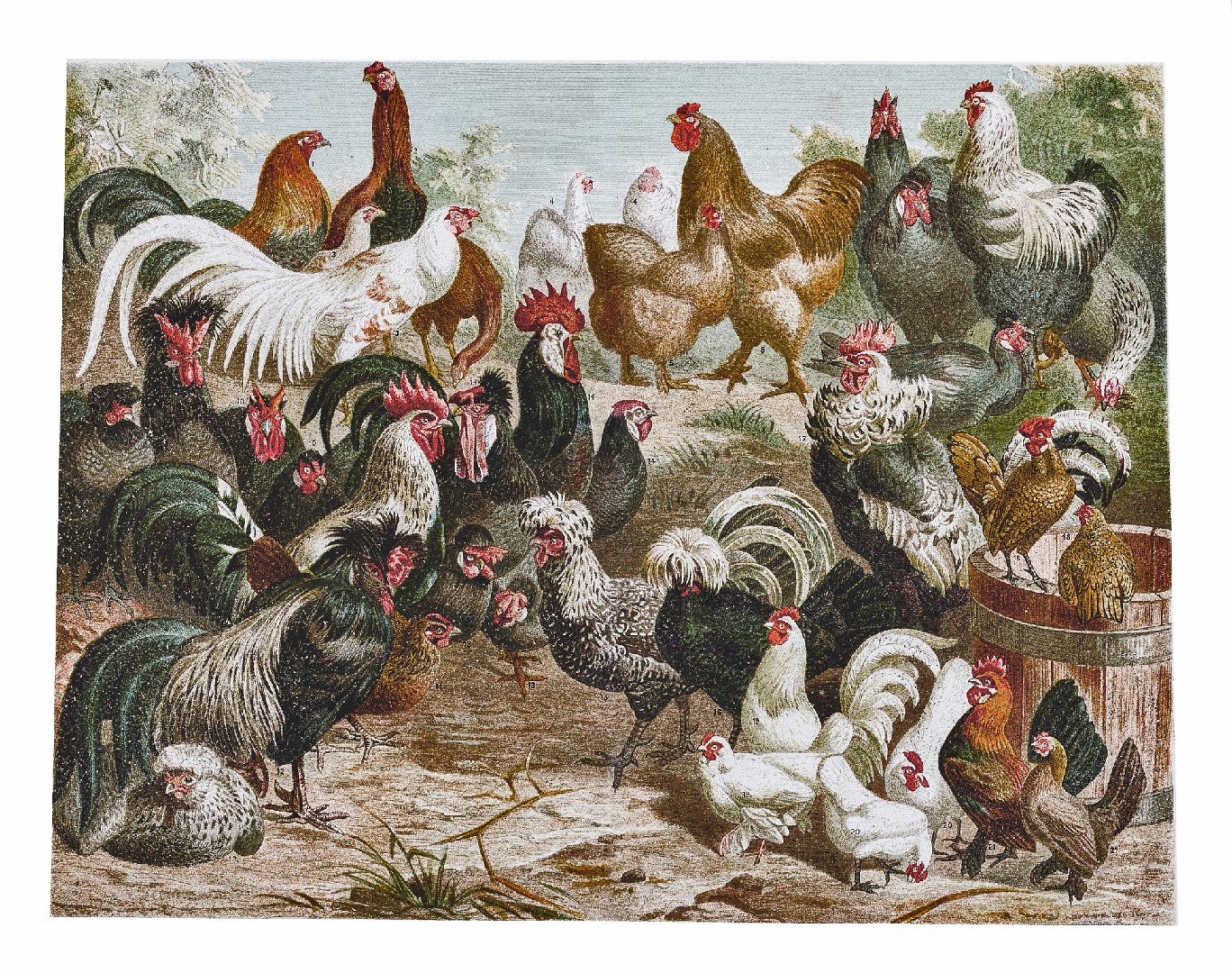
Chickens, those familiar feathery creatures that occupy a special place in our daily lives, have a history as rich and varied as their clucks and crows. The domestic chicken we know today descended from the red junglefowl (Gallus gallus) that dwell in the rainforests of Southeast Asia. These birds were first domesticated over 8,000 years ago, according to archaeological evidence found in China and India. Initially valued for their propensity for cockfighting, chickens were later embraced for their abilities to lay eggs and provide meat.
Fast forward to the Middle Ages, chickens had spread throughout Europe, the Middle East, and Africa. They were invaluable to societies not only for their food production but also for their cultural and religious significance. For example, in ancient Rome, chickens were seen as oracles and their behavior was often interpreted as an indication of the gods’ will. By the 19th century, selective breeding began to take shape, paving the way for the diverse array of chicken breeds we have today.
Different Uses of Chickens in Daily Life
Chickens have proved to be incredibly versatile creatures, serving a plethora of purposes in our daily lives.
Food Source
Undoubtedly, one of the most prominent roles chickens play in society is as a food source. According to the United States Department of Agriculture (USDA), in 2021, the average American consumed approximately 98.5 pounds of chicken. Their eggs are a kitchen staple, rich in protein and essential vitamins.
Pest Control
Chickens have an insatiable appetite for insects. Many gardeners keep chickens to help control pests naturally, without the use of harmful pesticides. This not only maintains a healthy garden but also contributes to environmental sustainability.
Pets and Companions
Chickens are increasingly being kept as pets. They are known to have unique personalities, and many owners form strong bonds with them. Moreover, caring for chickens can be a soothing and rewarding experience, often used as a form of therapy.
Education and Sustainability
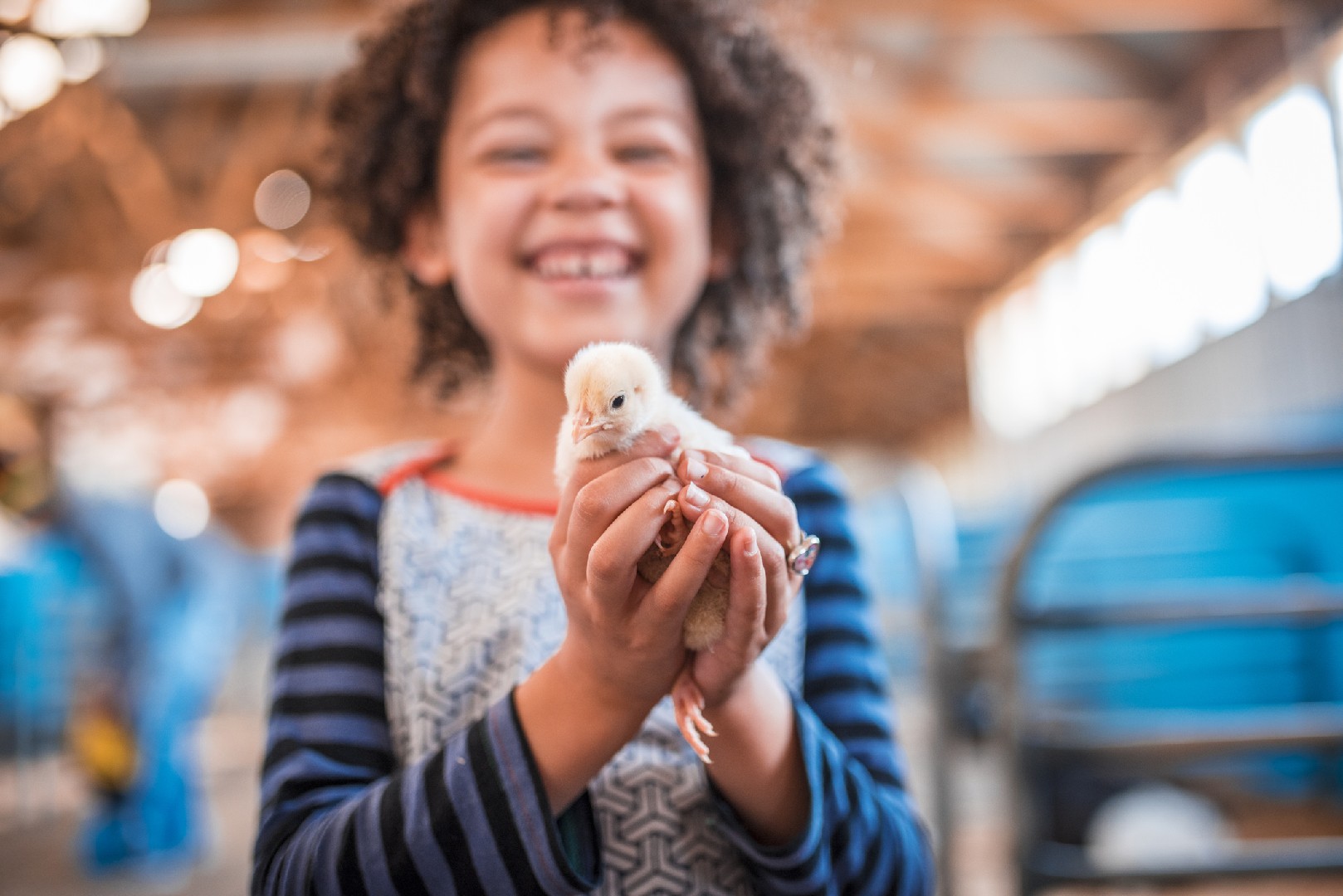
Schools and communities often engage in chicken-keeping as an educational tool. Children learn about biology, responsibility, and the value of sustainability. Chickens’ ability to produce manure also contributes to composting efforts, promoting organic agriculture.
Chicken Language: What Are They Saying?
Chickens are much more complex creatures than people often give them credit for, especially when it comes to communication. They have a variety of vocalizations and body language that they use to communicate with each other and with humans.
Clucking
This is a common sound that chickens make and can mean various things, such as calling other chickens to a food source or expressing contentment.
Squawking
A loud squawk usually signifies that the chicken is distressed, frightened, or in pain.
Purring
Yes, chickens can purr similarly to cats! This sound usually means that they are content and relaxed.
Broody Growls and Clucks
Hens that are broody, meaning they want to hatch eggs, will often make a low growling sound or a series of clucks to warn others to stay away from their nest.
Crow
The iconic crowing of a rooster is used to mark territory, attract hens, and announce the beginning of a new day. They can crow at any time of the day.
Egg Song
Hens often make a series of loud and repetitive clucks and squawks after laying an egg. This is believed to be a way for the hen to announce her accomplishment and possibly distract predators from the nest.
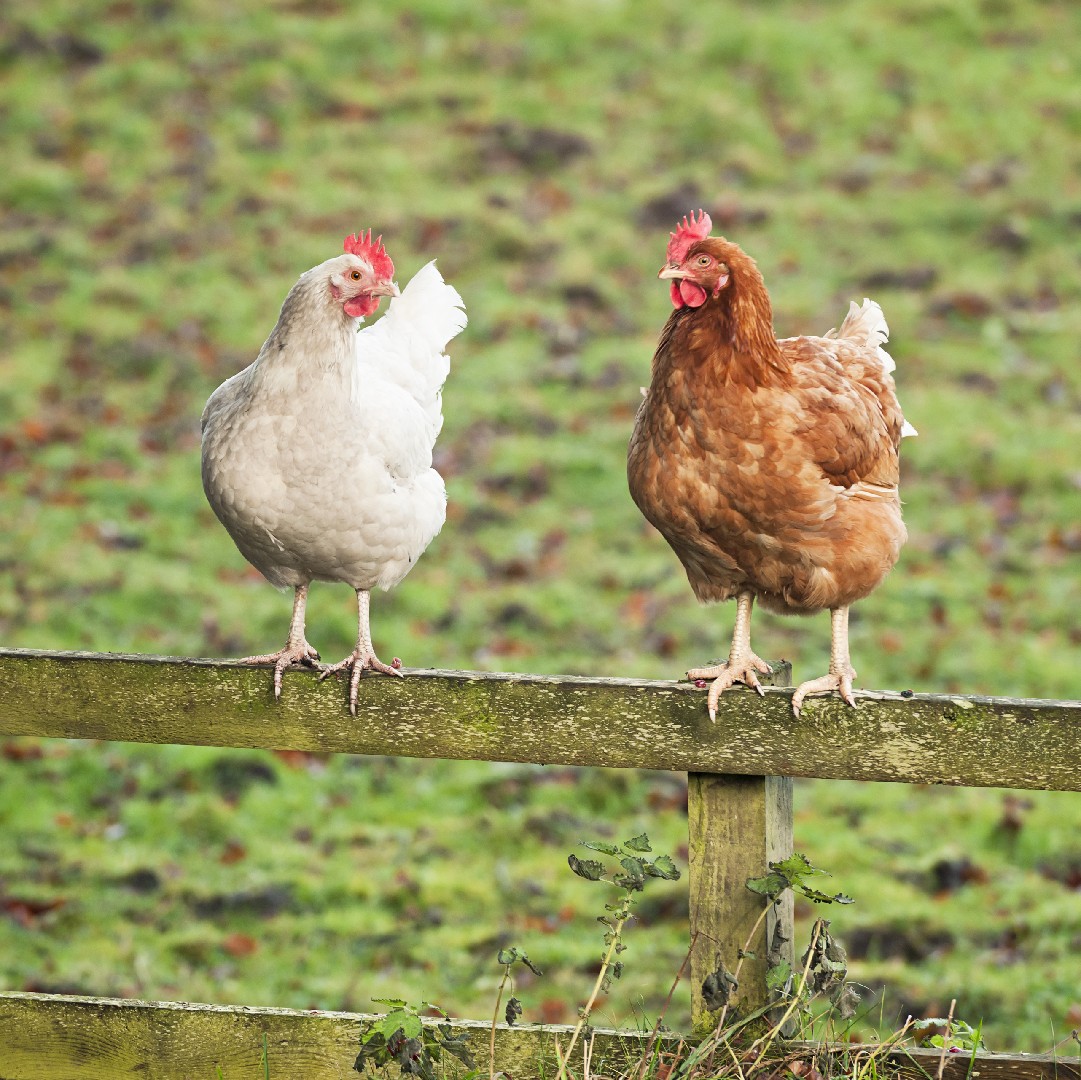
In addition to vocalizations, chickens use body language such as flapping wings, puffing up, or pecking to communicate. Understanding chicken language can be very helpful for anyone who keeps chickens, as it enables better care and a stronger bond with these fascinating creatures.